
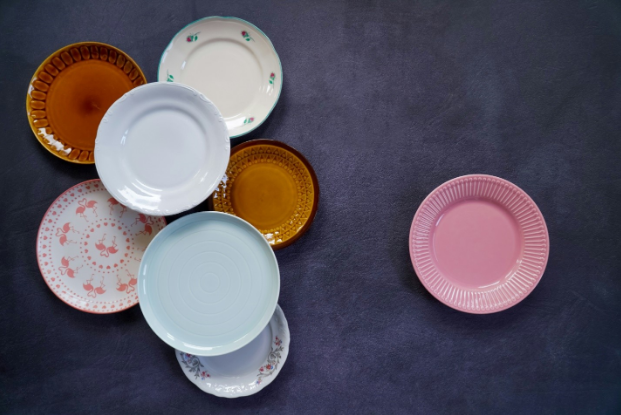
Ceramic plates are designed for everyday use, but repeated contact with knives, forks, and spoons can leave gray, black, or silver-looking lines on their glazed surfaces. These marks are often mistaken for scratches. However, many are actually cutlery marks, caused when tiny metal particles transfer from utensils onto the glaze through friction.
A true scratch is different because it involves physical damage to the glaze. Understanding the difference helps you choose the right cleaning method and determine whether the mark is simply cosmetic or indicates genuine surface wear.
Key Takeaways
- Gray or silver lines are often metal deposits rather than scratches.
- Cutlery marks usually leave the glaze feeling smooth.
- Genuine scratches may feel rough or slightly grooved.
- Gentle cleaning can help identify removable metal marks.
- Matte and textured glazes may show cutlery marks more easily.
- Deep cracks, chips, or flaking glaze deserve closer attention.
How to Tell Cutlery Marks from Scratches on Ceramic Plates
Look at the Color of the Mark
Color is often the first clue. Cutlery marks typically appear gray, silver, or dark and may resemble pencil lines because tiny metal particles transfer from utensils onto the ceramic glaze.
A true scratch may look like a dull line, a thin groove, or a change in surface reflection. It can also appear darker if residue collects in the damaged area.
While color alone cannot confirm the cause, a gray or silvery streak is often a sign of cutlery transfer rather than a true scratch.
Check Whether the Surface Still Feels Smooth
One of the easiest ways to tell a cutlery mark on ceramic plates from a scratch is to check the texture.
A cutlery mark usually sits on the glaze, so the surface often still feels smooth. A true scratch damages the glaze and may feel rough, uneven, or slightly recessed.
Check gently with a fingertip without scraping the surface. If a visible line feels completely smooth, it is more likely to be a metal transfer than a genuine scratch.
Try a Gentle Cleaning Test
A gentle cleaning test can help identify a cutlery mark. Metal deposits may fade or disappear with mild cleaning, while a true scratch usually remains because the glaze is physically damaged.
Wash the plate with warm water, dish soap, and a soft cloth or sponge. Avoid harsh scouring pads, which can create additional surface wear.
If the gray line fades, it is likely metal transfer. If it remains and the surface feels rough, a true scratch is more likely. However, some metal particles can become trapped in surface irregularities and may be difficult to remove.
Observe How the Line Reflects Light
Lighting can help reveal whether a mark is on the glaze or part of the surface.
Hold the ceramic plates under a bright light and tilt them slowly. A cutlery mark often appears as a gray streak while the glaze continues to reflect light smoothly. A true scratch may create a dull line, shadow, or break in the reflection.
This test works best on glossy plates. For matte dinnerware, combine the lighting test with a gentle touch and cleaning test for a more reliable result.
Consider How and Where the Mark Appeared
The location and pattern of a mark can provide useful clues.
Cutlery marks often appear in the center of dinner plates where food is regularly cut and may form several gray lines in similar directions. A few marks appearing after a meal are often caused by metal transfer.
Scratches may result from heavier pressure or repeated wear and can make the glaze feel rough or look dull over time. Marks around the edges or underside may instead result from stacking, storage, dishwasher contact, or friction between ceramic plates.
Consider the Type of Glaze
Some ceramic surfaces are more likely to show cutlery marks than others. Research into ceramic and porcelain tableware indicates that glaze composition, surface roughness, friction, and microscopic surface features can influence metal marking.
Matte and textured glazes may show these marks more easily because their surface characteristics can increase friction and provide places where transferred metal particles remain visible.
This does not necessarily indicate poor-quality dinnerware. Even well-made ceramic and porcelain plates can develop cutlery marks through ordinary use.
The same surface characteristics that affect plates can also influence how easily pottery mugs, especially ceramic mugs, show marks from metal spoons and other utensils.
Watch for Signs of Permanent Glaze Damage
A true scratch deserves closer attention because it involves physical damage to the glaze rather than a surface deposit. Minor scratches may be cosmetic, but more serious damage can create a rougher surface that collects residue.
Signs of genuine glaze damage include a rough line, a groove that catches on a fingernail, changes in light reflection that remain after cleaning, or visible cracks and chips. Unlike cutlery marks, which may be removable, scratches and glaze damage cannot simply be washed away.
Compare the Mark Before and After Repeated Use
Sometimes, monitoring the ceramic plates over time is the easiest way to identify the mark.
Check the area after cleaning and inspect it again after several uses. If a gray mark disappears and new lines appear where utensils contact the plate, it is likely recurring cutlery transfer.
If the same marks become deeper, rougher, or duller, the glaze may be experiencing surface wear. A roughened glaze can also trap more metal particles, making the plate appear increasingly marked over time.
Wrap Up
Cutlery marks and scratches can look similar, but they affect ceramic plates in different ways. Gray or silver lines that leave the glaze smooth are often metal transfer and may improve with gentle cleaning. A true scratch changes the surface itself and may feel rough, dull, or slightly grooved. Checking the mark’s color, texture, location, and response to cleaning makes it easier to tell the difference. If you notice deep cracks, chips, or flaking glaze, the plate deserves closer attention before continued use.
For thoughtfully made ceramic pieces designed for everyday use, explore the collection at Hart and Soul Pottery and find tableware that brings craftsmanship and character to your home! Shop now.
Frequently Asked Questions
Are the gray lines on ceramic plates always scratches?
No. Gray or silver lines are often caused by metal transferred from knives, forks, and other utensils rather than damage to the glaze.
How do I know if a cutlery mark can be removed?
Try gentle washing with dish soap and a soft sponge. If the mark fades while the surface remains smooth, it is likely a removable or reducible metal deposit.
Why do white plates show cutlery marks so clearly?
Gray metal deposits create a strong contrast against white and light-colored glazes, making otherwise minor marks highly visible.
Do matte ceramic plates get more cutlery marks?
They can show them more readily. Surface texture and glaze composition can affect friction and how easily metal particles remain visible.
Can stacking cause ceramic plates to scratch?
Yes. The rough underside or unglazed foot ring of one plate can rub against the glazed surface of another and create genuine surface wear.
Should I throw away a scratched ceramic plate?
Not necessarily. Minor cosmetic scratches are different from deep cracks, chips, or flaking glaze. Significant structural or glaze damage should be evaluated more carefully before continued use.
Do ceramic bowls need special care to prevent scratches?
Ceramic bowls should be cleaned with soft sponges and handled carefully to reduce surface wear. Avoid harsh scouring pads and excessive friction from metal utensils, especially on matte or textured glazes that may show marks more easily.
What should I ask a ceramic shop before buying dinnerware?
Ask the ceramic shop about the glaze type, durability, recommended utensils, and cleaning methods. This can help you choose plates that are easier to maintain and less likely to show visible cutlery marks.