Are you trying to keep fresh flowers beautiful for more than just a few days? Many people think the life of a flower depends only on the bouquet, but the vase also plays an important role. Water quality, light exposure, cleanliness, and stem support can all affect how quickly flowers fade. This is why the question of pottery vs. glass vases is worth asking.
Both vase types can hold flowers beautifully, but they do not behave the same way. A glass vase lets you see the water clearly, while a pottery vase can offer shade, style, and a more natural look.
The best choice depends on your flowers, your room, and how often you care for the arrangement.
Key Takeaways
- Glass vases make it easier to see water levels and dirt.
- Pottery vases block light and add stronger support.
- Glazed pottery is better for fresh flowers than unglazed pottery.
- Clean water and a clean vase matter more than material alone.
- Use liners for decorative, antique, or unglazed pottery pieces.
- Choose glass for easy care and pottery for warmth, style, and stability.
Glass Vase
Pros
You Can See the Water Clearly
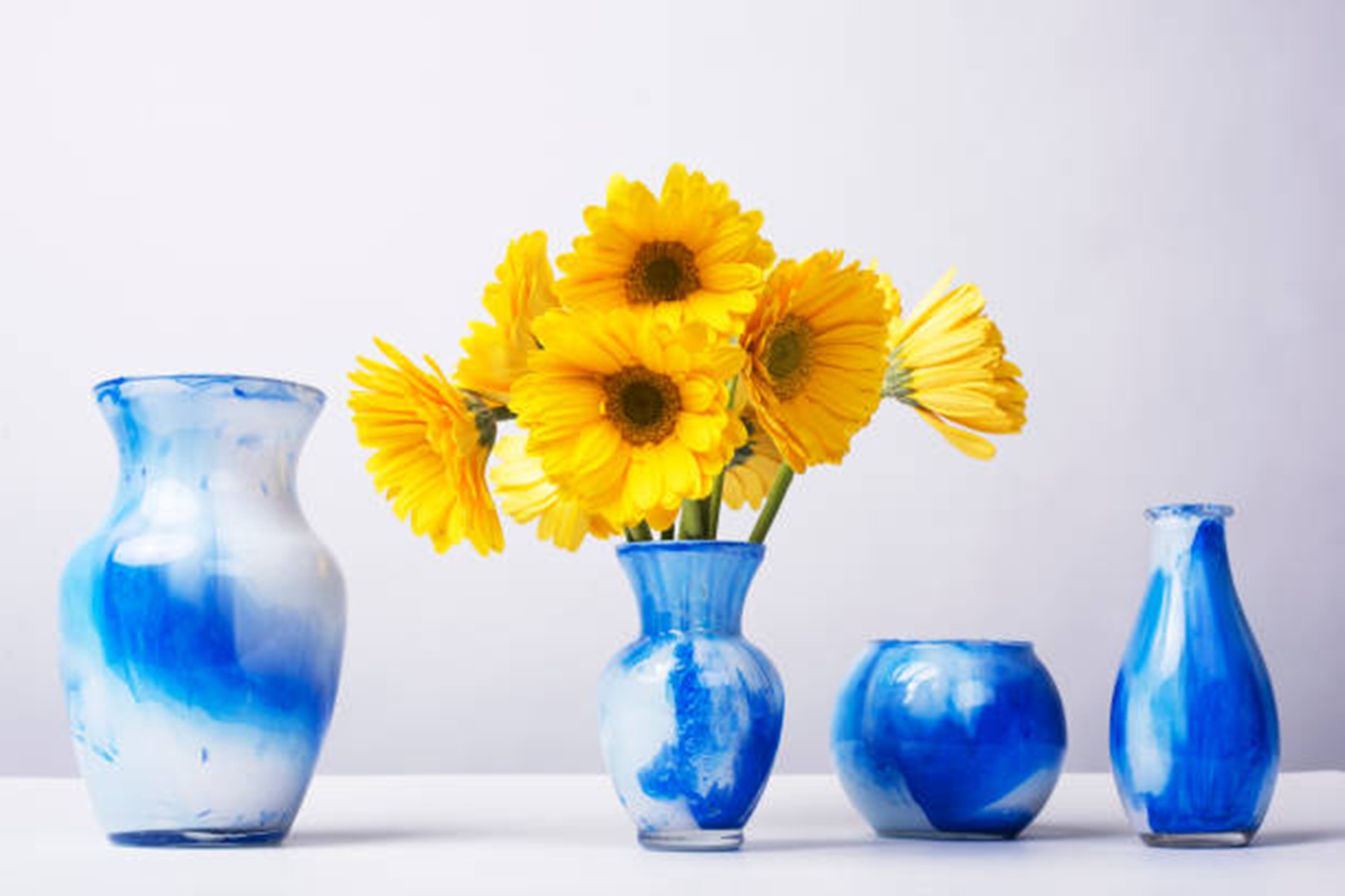
The biggest benefit of glass is visibility. You can see the water level, water color, and fallen leaves. In the pottery vs. glass vase choice, glass is useful for people who may forget to check their flowers daily. Clean water helps stems drink better and last longer.
Glass Is Usually Easy to Clean
Most glass vases have a smooth, non-porous surface, making them easier to clean and less prone to bacteria and stains. A bottle brush can clean narrow shapes well. In the pottery vs glass vase debate, glass is often easier for beginners because old residue is simple to spot and wash away.
Glass Works With Many Flower Types
Glass works with roses, carnations, tulips, lilies, greenery, and mixed bouquets. It also shows the full stem structure, which suits clean modern arrangements. If you want a simple vase that fits many flower styles, glass is a flexible choice for everyday flower care.
Cons
Light Can Reach the Water
Clear glass lets sunlight pass through. If the vase sits near a bright window, the water may warm faster. Warm water can encourage bacteria and shorten flower life. This is one reason shaded placement matters when choosing between glass and a pottery vase.
Water Marks Show Easily
Glass often shows mineral rings, fingerprints, and cloudy marks. These marks may not damage flowers, but they can make the vase look less clean. If you have hard water, regular washing is important to keep the display fresh, bright, and attractive.
Clear Stems Are Not Always Attractive
Some bouquets look elegant in glass, but others may appear messy. Uneven stems, floral tape, or tangled greenery can show through the clear surface. This is mostly a style issue, but it can make the arrangement feel less polished on a dining table or shelf.
Pottery Vase
Pros
Pottery Blocks Light from the Water
One benefit of pottery is that it keeps water hidden from light. This can reduce algae growth when flowers sit in sunny rooms. A ceramic vase or glazed pottery piece may help water stay darker and cooler when paired with regular water changes.
A Glazed Interior Is Best for Fresh Flowers
Not all pottery is suitable for fresh flowers. A glazed interior creates a sealed surface that holds water safely and cleans more easily. Good ceramic pottery quality matters because rough or porous interiors may hold stains, odor, and bacteria after several flower arrangements.
Pottery Adds Support and Weight
A pottery vase is often heavier than a glass vase, which helps support tall or full bouquets. Sunflowers, peonies, gladiolus, branches, and greenery may sit more securely in a sturdy base. This makes pottery useful when the arrangement needs balance and strong support.
Pottery Creates a Softer Home Look
Pottery gives flowers a relaxed, handmade look. It pairs well with wildflowers, garden roses, eucalyptus, and seasonal stems. People who enjoy handmade decor, custom mugs, planters, and artisan pieces often like pottery because it brings the same natural warmth to flower displays.
Cons
Unglazed Pottery Can Be Porous
Unglazed pottery may absorb water, odor, and organic residue. It may also leak if it was not made for fresh flowers. Before using any decorative piece, check whether it is waterproof. If not, place a liner inside before adding water and fresh stems.
Some Shapes Are Hard to Clean
Many pottery vases have narrow openings, curved bodies, or textured interiors. These shapes can trap old flower residue. If buildup remains inside, bacteria may affect the next bouquet. A vase should smell clean, feel smooth inside, and be fully dry before storage.
Pottery vs. Glass Vase: Which One Actually Keeps Flowers Fresh Longer?
The honest answer is that both can help flowers last, but a well-made pottery vase often gives arrangements better support, shade, and overall presentation. Vase cleanliness still matters most, but the right pottery vase can make flower care easier in ways many people overlook.
A glazed pottery vase helps block light from reaching the water, which can be useful in bright rooms. Reduced light exposure may help prevent the water from warming too quickly and make the arrangement feel cleaner and more polished between water changes.
Pottery also gives flowers better stability. Heavier ceramic bases are helpful for large bouquets, tall stems, branches, and fuller arrangements that may tip or lean in lighter glass vases. This support helps flowers sit naturally and keeps the display looking intentional.
The key is choosing the right pottery. Avoid unglazed interiors for fresh flowers, as they may absorb moisture or be harder to clean. Instead, choose a vase that is waterproof, glazed inside, and easy to rinse.
So, in the pottery vs. glass vase choice, glass may be useful for checking water levels, but glazed pottery often wins for shade, structure, balance, and a more refined floral display.
Conclusion
Choosing between a glass vase and a pottery vase comes down to care, style, and where the flowers will sit. In the pottery vs. glass vase choice, glass is practical because it lets you watch the water closely, while pottery brings warmth, shade, and sturdy support.
For the best results, always use a clean vase, remove leaves below the waterline, refresh the water often, and keep flowers away from heat. A glazed pottery vase can be a beautiful and useful choice when you want flowers to look natural, balanced, and thoughtfully displayed in your home.
Visit Hart & Soul Pottery for handmade vases that prolong the life of flowers.
FAQs
Can I use a decorative pottery piece as a vase for flowers?
You can, but only if it is waterproof or has a liner. Some decorative pottery is made for display, not for water. If you are unsure, place water in it for a few hours on a safe surface and check for dampness underneath.
Is colored glass better than clear glass for flowers?
Colored glass may block some light, depending on its tint. This can help reduce direct light exposure in the water. However, very dark glass makes it harder to see water quality, so you still need to check the vase often.
Can flower food be used in a pottery vase?
Yes, flower food can be used in a glazed pottery vase. Make sure it dissolves fully in the water. After the flowers fade, clean the vase well so no residue remains inside.
Why does my pottery vase smell bad after flowers?
A bad smell usually comes from bacteria, old stems, or trapped residue. Pottery with a rough or narrow interior can hold organic matter. Clean it with warm, soapy water and let it dry fully before storing.
Should I use a vase liner?
A liner is useful for unglazed pottery, antique vases, handmade pieces, or any vase that may leak. A liner protects the vase and provides a cleaner water container for the flowers.
Are tall vases better for long-lasting flowers?
Tall vases are better for long stems that need support, but height alone does not make flowers last longer. Clean water, trimmed stems, and the right vase width matter more.
Can I put fresh flowers in the same vase every week?
Yes, but wash the vase thoroughly between bouquets. Reusing a vase without cleaning it can transfer bacteria to the new flowers, shortening their life.