
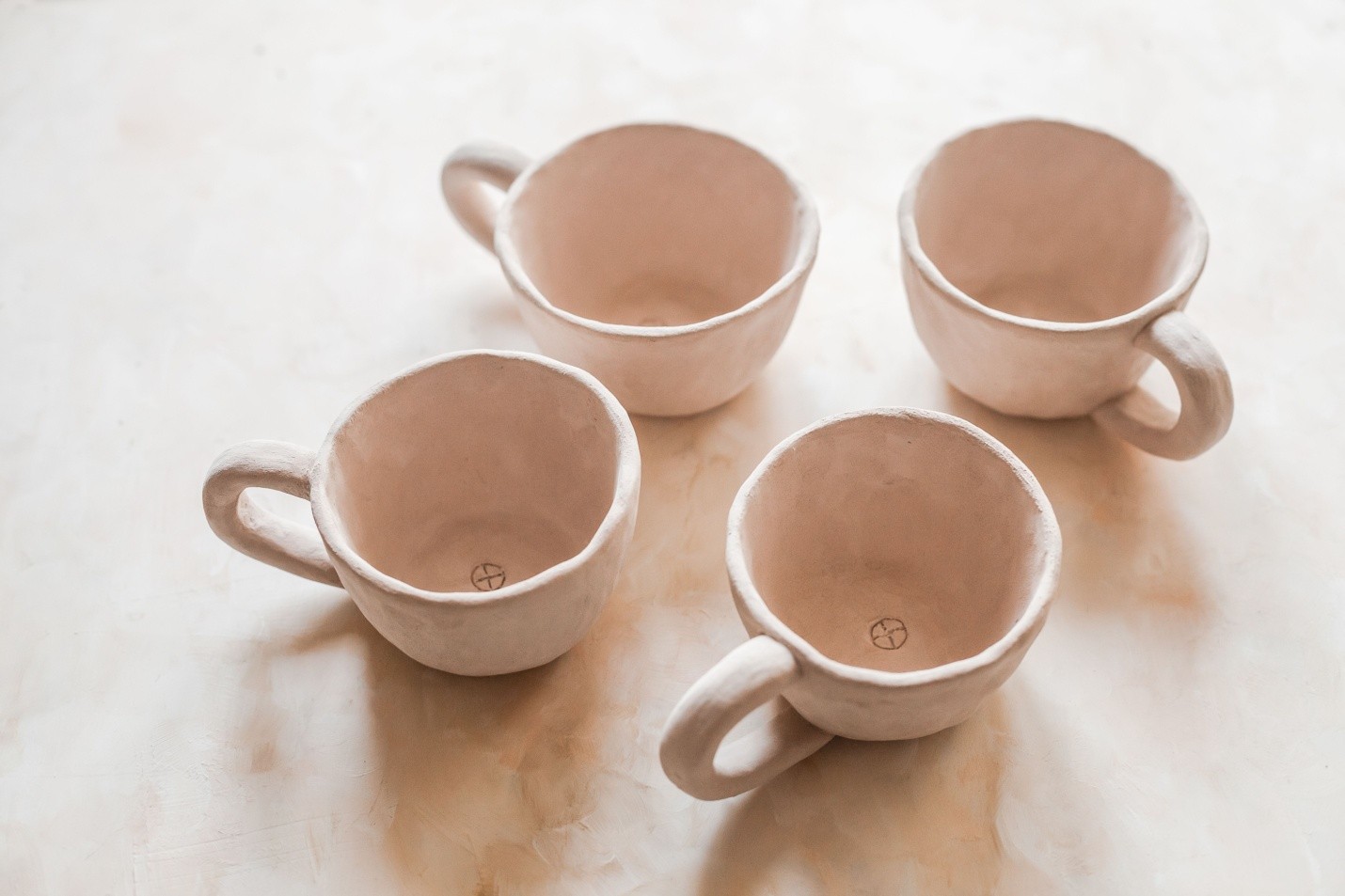
A beautiful pottery mug should do more than look handmade and charming. It should feel smooth at the rim, pour cleanly, and make every sip comfortable. Many people choose pottery mugs based on glaze, color, or shape, but the small details around the rim and pour lip often decide whether the mug becomes a daily favorite or stays on the shelf.
If you want a mug that feels good in your hand and does not drip down the side, knowing what to check before buying can save you disappointment.
Key Takeaways
- A smooth, even rim makes pottery mugs more comfortable to drink from.
- Moderately thin, rounded rims usually offer the best balance of comfort and durability.
- Rim shape affects how naturally liquid flows into your mouth.
- A well-formed pour lip helps guide liquid cleanly and reduces dripping.
- Glaze build-up around the rim or lip can affect both comfort and pouring performance.
- The rim, pour lip, handle, and mug body should feel balanced together.
- Handmade ceramic mugs should be food-safe, easy to care for, and suitable for your daily routine.
What to Look for in a Rim for Dripless Pottery Mugs
1. Check the Rim Thickness
Rim thickness affects both comfort and durability. Thin rims often feel elegant and refined. They can make coffee, tea, and other drinks feel smoother to sip. However, very thin rims may be more fragile, especially in handmade ceramic mugs that are used daily.
Thicker rims can feel sturdy and cozy, but if they are too bulky, they may make drinking feel less natural. A mug with a thick rim can also feel heavier than expected, especially when filled with hot liquid.
When comparing mugs, ask yourself:
- Does the rim feel comfortable against the lips?
- Does it feel too thick or too sharp?
- Does the thickness match the overall weight of the mug?
- Does it feel durable enough for daily use?
For everyday pottery mugs, a moderately thin, rounded rim is often the most comfortable choice. It offers a pleasant drinking experience without feeling overly fragile.
2. Look for a Smooth, Even Finish
The rim should be smooth all the way around. Run your finger gently along the top edge. You should not feel rough spots, glaze bumps, sharp clay edges, or uneven patches.
A rough rim is more than a comfort issue. It may also suggest that the piece was not finished carefully. Handmade pottery can have personality, but the drinking edge should still be polished and safe.
Also, check the glaze. The glaze should cover the rim evenly unless the design intentionally leaves part of the clay exposed. If the rim has unglazed clay, it should still be smooth and comfortable. Rough, exposed clay may feel unpleasant and may also stain more easily over time.
When shopping in person at a ceramic shop, this is easy to check by touch. When buying online, look for close-up photos of the rim. If product images only show the front of the mug and not the drinking edge, ask for more photos before purchasing.
3. Pay Attention to Rim Shape
The shape of the rim affects how the liquid flows into your mouth. Some rims curve outward slightly, while others are straight, rounded, or gently tapered.
An outward-curved rim can feel soft and easy to sip from. It helps guide liquid toward the lips. A straight rim can work well too, especially on simple modern ceramic mugs, but it should not feel sharp. A rounded rim is usually comfortable and durable, making it a good option for frequent use.
Avoid rims that feel uneven or wavy unless the shape is clearly intentional and still comfortable. A wavy handmade rim can be beautiful, but if the high and low points interrupt the flow of liquid, it may feel awkward when drinking.
A well-shaped rim should make sipping feel natural. You should not have to adjust the mug angle too much to drink comfortably.
What to Look for in a Pour Lip for Dripless Pottery Mugs
1. Look for a Clean Pour
A good pour lip should guide liquid smoothly without dribbling down the side of the mug. Dripping is one of the most common signs of a poorly shaped lip.
To judge a pour lip, look at its shape. It should have a clear direction for the liquid to follow. A small pinched point or gently formed spout usually performs better than a random, uneven dip in the rim.
The lip should also be balanced with the mug’s body. If the mug is very round and the pour lip is too shallow, liquid may spread instead of flowing in a narrow stream. If the lip is too sharp or exaggerated, it may look awkward and be harder to clean.
If you are buying in person, ask the maker or shop owner whether the mug is designed for pouring. Many artists at a ceramic shop can explain the function of the rim and lip because they understand how the piece was formed.
2. Check for Glaze Build-Up Around the Lip
Glaze build-up can affect both drinking and pouring. If glaze pools heavily around the rim or pour lip, it can create bumps, uneven thickness, or a slightly sticky-looking edge.
A small amount of glaze variation is normal in handmade ceramic mugs, especially with reactive glazes. However, the rim and pour lip should still feel smooth and functional.
Look closely at the lip area. If the glaze is too thick, it may interfere with a clean pour. If the glaze is too thin or missing in places, the exposed clay may stain or feel rough. The best mugs have a rim and lip that are both attractive and carefully finished.
3. Match the Rim and Lip to Your Use
The best rim and pour lip depend on how you plan to use the mug.
For coffee or tea, choose a smooth, comfortable rim with moderate thickness. For lattes, cocoa, or cozy drinks, a slightly thicker, rounded rim can feel warm and satisfying. For delicate teas, a thinner rim may feel more refined.
For pouring liquids, choose a mug with a shaped pour lip or pinched spout. This is useful if you often use mugs for kitchen prep or serving. For display pieces, you may care more about artistic shape, but even decorative pottery should feel well finished.
If you already own ceramic bowls, plates, or serving pieces, think about how the mug fits into your routine. A mug that feels good to hold, drink from, and pour from will likely get much more use than one chosen only for color.
4. Inspect Balance and Handle Placement
Although the rim and pour lip are the focus, they should work with the whole mug. A mug with a delicate rim but a heavy base may feel unbalanced. A mug with a pour lip but an awkward handle may be hard to control when pouring.
Hold the mug as if you are drinking from it. Then tilt it gently as if pouring. The handle should give you control. The rim should meet your mouth comfortably. The pour lip should point naturally without requiring your wrist to twist awkwardly.
Good pottery is not only visual. It is physical. The way the mug feels in your hand is part of its value.
5. Ask About Food Safety and Care
Before buying handmade pottery mugs, ask whether they are food-safe, dishwasher-safe, and microwave-safe. The rim and pour lip come into direct contact with liquid, so the glaze should be safe for regular use.
Some handmade mugs are best washed by hand, especially if they have delicate glazes, metallic finishes, or textured details. Others are made for daily dishwasher use. A reliable ceramic shop should be able to tell you how to care for the piece properly.
Good care helps protect the rim from chips and keeps the pour lip clean. Avoid knocking mugs against sinks, stacking them too tightly, or using abrasive scrubbers on delicate glazes.
Final Thoughts
When buying pottery mugs, the rim and pour lip deserve close attention. A beautiful mug should not only look good. It should feel good to drink from, pour cleanly when needed, and hold up to regular use.
Look for a smooth rim, comfortable thickness, even glaze, balanced shape, and a pour lip that is intentionally formed. If you are shopping at a ceramic shop, hold the mug, feel the rim, and ask how the piece is meant to be used. If you are buying online, look for close-up photos and clear product details.
The best ceramic mugs combine beauty with function. They feel natural in the hand, pleasant at the lip, and reliable in everyday use. Once you learn to notice these details, you will choose pottery with more confidence, whether you are buying mugs, serving pieces, or matching ceramic bowls for your home.
Upgrade your coffee and tea routine with a handcrafted pottery mug from Hart and Soul Pottery designed for clean, drip-free sipping and lasting everyday comfort. Order yours now!
Frequently Asked Questions
Do handmade pottery mugs drip more than factory-made mugs?
Not necessarily. High-quality handmade pottery mugs are often finished more carefully than mass-produced mugs, resulting in cleaner pouring performance.
What rim shape is best for preventing drips?
A gently rounded rim with smooth glazing generally provides the cleanest release and reduces liquid running down the outside.
Does wall thickness affect how a mug pours?
Yes. Medium-thickness rims typically offer the best combination of durability, comfort, and drip resistance.
What is a pour lip on a pottery mug?
A pour lip is a subtle curve or extension along the rim that guides liquid into a controlled stream, helping prevent drips.
Can glaze quality influence dripping?
Absolutely. Smooth, evenly applied glaze allows liquid to flow cleanly, while rough or uneven glaze can encourage drips.
How can I tell if a mug will drip before buying it?
Inspect the rim for smoothness, symmetry, and consistent glazing. A balanced handle and well-shaped drinking edge are also good indicators of clean pouring performance.