
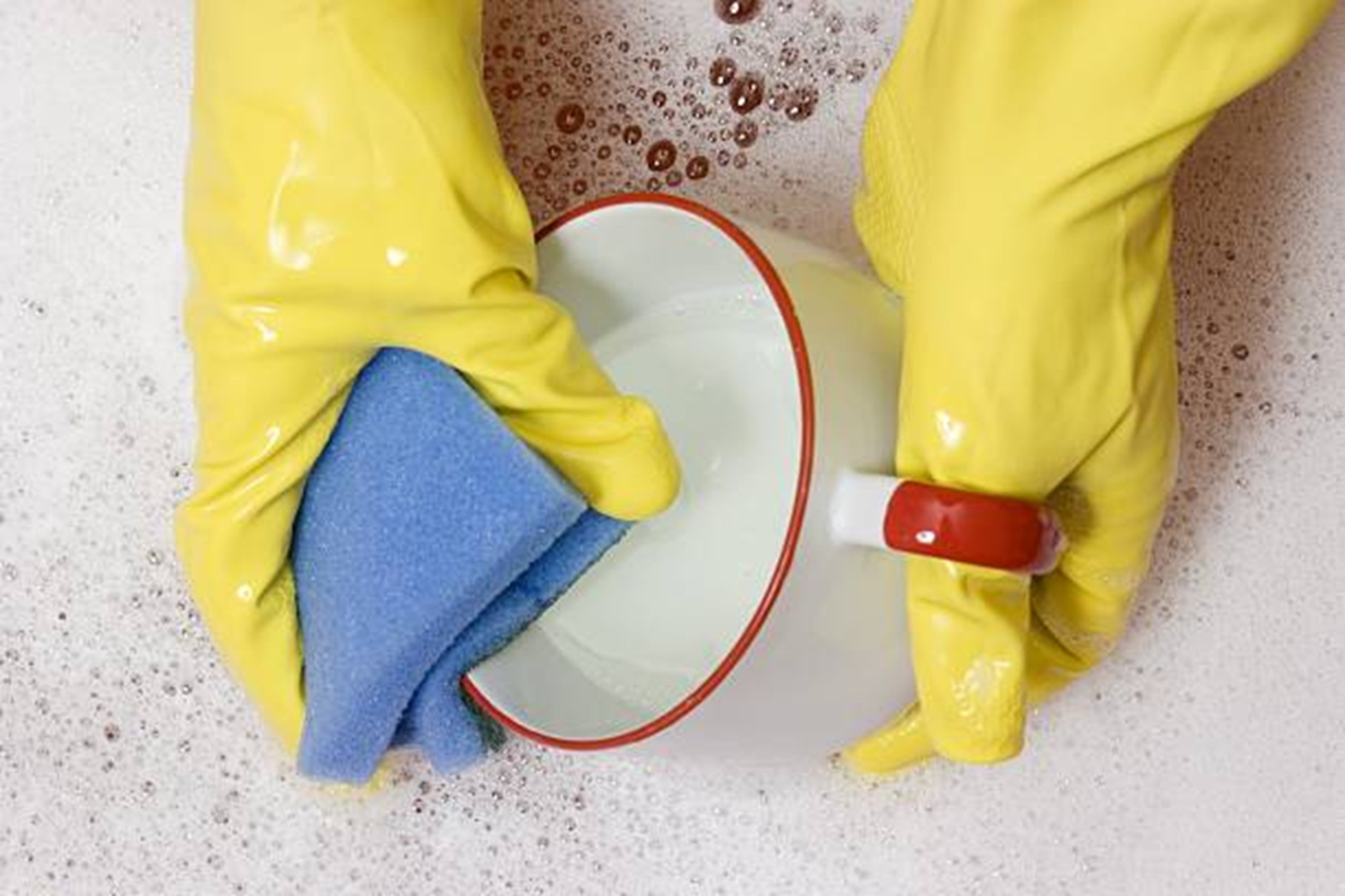
We’ve all had that moment. You reach for your favorite mug, and there it is, a stubborn brown ring sitting inside. It’s even more frustrating when it’s a handmade piece you actually care about. The problem is not just the stain. It’s the fear of ruining the glaze while trying to clean it. We’ve worked with ceramics long enough to know that harsh cleaning can do more harm than cleaning.
The good news is, you don’t need anything aggressive. With the right methods, and a thoughtful approach to ceramic mugs cleaning, you can clean your mugs safely and keep them looking just as beautiful as the day you got them.
Key Takeaways
Below are the small things we always recommend:
- Clean right after use: Stains settle when coffee or tea sits too long inside the mug.
- Stick to soft cleaning tools: A sponge or cloth works better than anything rough.
- Use gentle ingredients first: Start simple before trying stronger solutions.
- Keep a weekly cleaning routine: Light maintenance prevents heavy buildup.
- Handle handmade mugs with care: Thoughtful cleaning helps mugs, ceramic vases, and other pieces last longer.
What Causes Coffee and Tea Stains in Ceramic Mugs Over Time?
To clean stains well, it helps to know why they form. Coffee and tea contain tannins, natural compounds that leave brown marks in mugs. With repeated use, these compounds settle on the surface of your ceramic pottery.
Even though the glaze appears smooth, it has tiny surface imperfections that can trap residue. Heat from hot drinks speeds up this process, especially if the mug is not rinsed soon after use.
Lighter mugs show stains more clearly, while darker ones hide them. Over time, stains become harder to remove, which is why regular cleaning is important.
Best Ceramic Mugs Cleaning Methods for Scratch-Free Results
Not all cleaning methods are safe for ceramic mugs, especially when you want to protect the glaze. We always suggest using techniques that are both effective and gentle.
Below are methods we trust and use ourselves.
1. Baking Soda Paste
Baking soda is one of the simplest and safest ways to clean your special custom mugs without causing damage. It has a soft texture that helps lift stains without scratching.
Here’s how we recommend using it:
- Add a small amount of baking soda to the mug.
- Mix with a few drops of water to form a paste.
- Use a soft sponge to rub the stained area gently.
- Rinse thoroughly with warm water.
This method works well for regular stains and can be used often without causing damage.
2. Vinegar and Baking Soda
For older stains, this ceramic mug cleaning method helps loosen buildup inside the mug. The reaction lifts marks without damaging the glaze.
To use this method:
- Sprinkle baking soda inside the mug.
- Add a small amount of vinegar.
- Let the fizzing reaction sit for a few minutes.
- Gently scrub with a soft sponge and rinse well.
This approach is useful when basic cleaning isn’t enough for stains.
3. Lemon and Salt
If you prefer a natural option, lemon and salt can handle lighter stains quite well. Lemon adds mild acidity, while salt provides a gentle scrubbing effect, making it a simple option for ceramic mugs cleaning.
Here’s a simple way to use it:
- Squeeze fresh lemon juice into the mug.
- Add a pinch of salt.
- Rub lightly with a soft cloth.
- Rinse with warm water.
- Rinse well with warm water.
This method works best for fresh stains and regular upkeep.
4. Denture Tablets
These tablets release oxygen-based cleaners that break down stains without scrubbing.
Follow these steps:
- Fill the mug with warm water.
- Drop in one denture tablet.
- Let it sit for 20 to 30 minutes.
- Rinse thoroughly afterward.
It’s a great option when you don’t want to spend time scrubbing and ceramic mugs cleaning. Just let it soak and rinse.
Pro-Tip: It is also a safe approach for cleaning the narrow inside of a pottery vase.
5. Dish Soap and Warm Water
Daily cleaning plays a big role in keeping mugs stain-free. A quick wash after each use can prevent most buildup.
For best results:
- Wash the mug soon after finishing your drink.
- Use a mild dish soap and warm water.
- Clean the inside thoroughly, not just the rim.
- Dry it properly before storing.
This habit keeps stains from forming in the first place and reduces the need for deeper cleaning.
Common Cleaning Mistakes That Can Damage Your Mug’s Glaze
Sometimes the issue isn’t the stain, it’s how we try to remove it. Certain cleaning habits can wear down the glaze over time.
Here are mistakes we always suggest avoiding:
- Using steel wool or rough pads: These can leave scratches that dull the surface
- Scrubbing too hard: Pressure can damage the finish even with soft tools
- Using strong chemical cleaners: These may weaken the glaze with repeated use
- Overusing bleach: It can affect both appearance and long-term durability
Once the glaze is damaged, it’s hard to restore. That’s why gentle care is always the better choice.
Keep Your Favorite Mugs Looking Clean for Years
Taking care of your mugs doesn’t require complicated steps. It just comes down to using the right approach to ceramic mug cleaning. Gentle cleaning helps maintain the look and feel of your mug over time. When you treat your ceramics with care, they remain part of your daily routine without losing their charm.
Looking for mugs that are made to last and easy to maintain? Explore our collection and find one that fits your routine. At Hart & Soul Pottery, we design our pieces for everyday use, and with the right care, they hold up beautifully.
FAQS
1. Can baking soda scratch ceramic glaze?
No, baking soda is safe when used gently. It has a fine texture that helps clean without causing damage. The key is to avoid applying too much pressure while scrubbing.
2. Are coffee and tea stains permanent?
Most stains are not permanent. With the right cleaning method, even older stains can be removed. Regular cleaning makes the process much easier.
3. How often should I deep clean my mug?
It depends on how often you use it. For daily use, a deeper clean once a week is usually enough. Light cleaning after each use helps reduce the need for it.
4. Is bleach safe for ceramic mugs?
Bleach should be used carefully and not as a regular solution for ceramic mugs cleaning. There are safer alternatives like baking soda or vinegar that work well without risk.
5. Why do some mugs stain faster than others?
It depends on how often they’re used, how quickly they’re cleaned, and the type of glaze. Handmade mugs, like the ones we create, are durable but still benefit from proper care to stay in good condition.