
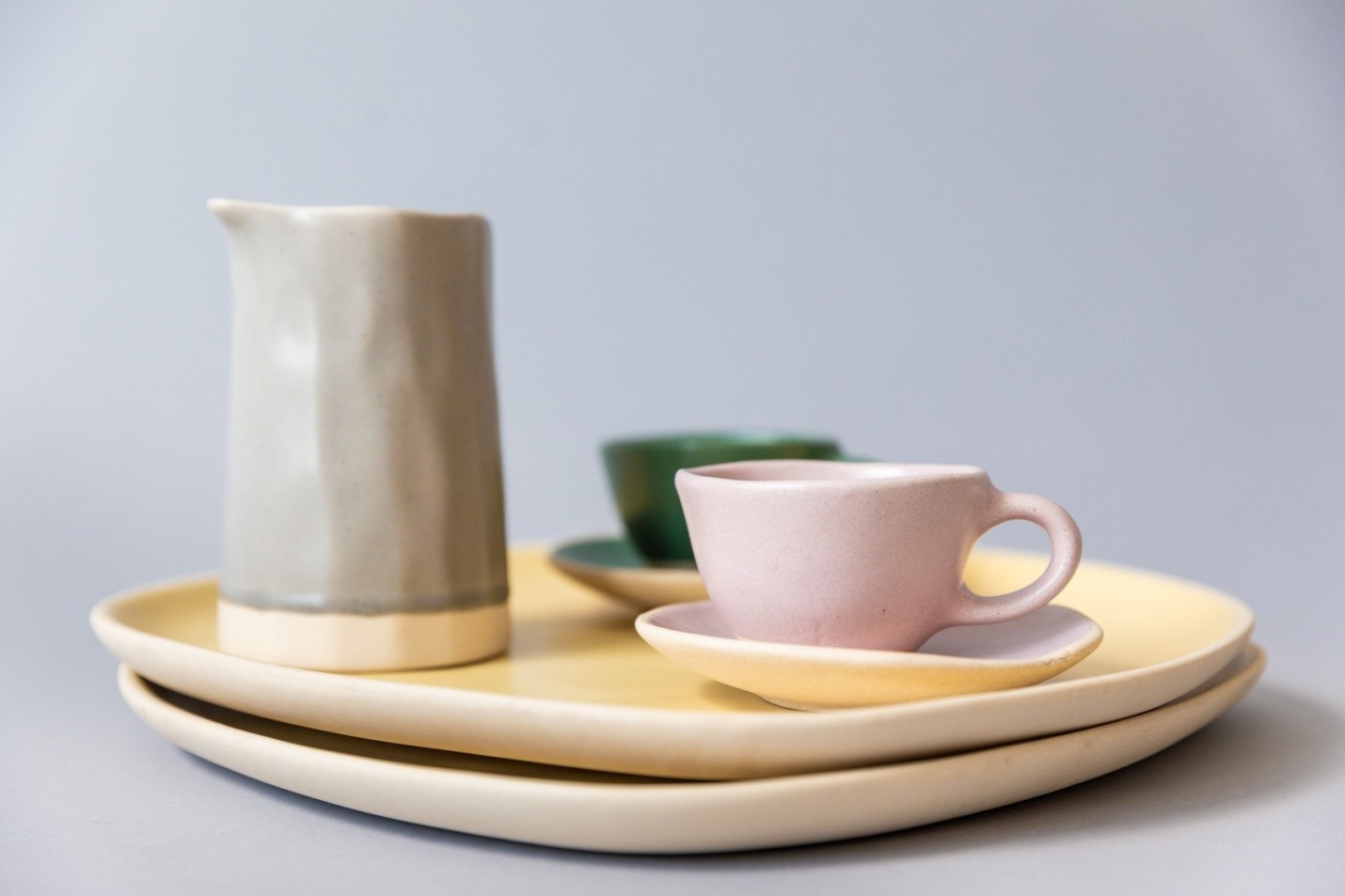
A ceramic serving tray can look beautiful online or on a store shelf, but the real test begins when it sits on your table. If it rocks, tilts, or feels unstable, even the prettiest tray can become frustrating to use. A well-made ceramic tray should feel balanced, steady, and practical for serving snacks, mugs, desserts, or small dishes.
Before choosing one, read this guide to find out what to check so you can buy a ceramic serving tray that looks elegant and sits firmly every time.
Key Takeaways
- Always test the tray on a completely flat surface before purchasing.
- A properly finished foot ring is the biggest indicator of stability.
- High-quality firing minimizes warping during production.
- Thick does not always mean stronger or more stable.
- Handmade trays may have tiny variations but should never noticeably wobble.
- Even glaze application helps maintain balance.
- Flat bottoms distribute weight more evenly.
- Buying from experienced ceramic makers generally leads to better craftsmanship and consistency.
Tips to Choose a Ceramic Serving Tray That Won’t Wobble
1. Examine the Foot Ring Before Anything Else
The foot ring is the raised portion underneath the tray that touches the table. It plays a major role in how evenly the tray rests on a surface.
A well-crafted foot ring should be smooth, level, and consistent all the way around. If the trimming is uneven, one side may sit higher than the other, causing the tray to rock. Small visual imperfections are common in handmade ceramics, but the actual contact surface should still be stable.
Turn the tray upside down and inspect the base closely. Look for even thickness, clean trimming, and symmetry around the entire ring. A properly finished foot ring also helps reduce scratching and protects both the tray and tabletop during everyday use.
2. Test the Tray on a Truly Flat Surface
One of the easiest ways to check stability is to place the tray on a flat surface. Store shelves are not always level, so they may not give you an accurate idea of how the tray will perform at home.
If possible, test the tray on a stone countertop, glass table, or another smooth and level surface. Gently press opposite corners and watch how the tray responds.
A quality ceramic serving tray should stay still. If one corner lifts or the tray rocks back and forth, the base may be uneven. Even a small wobble can become more noticeable once you place food, drinks, custom mugs, or small dishes on top.
3. Check for Warping During Manufacturing
Ceramic naturally shrinks as it dries and fires. Skilled makers account for this movement during production, especially when creating wider pieces like trays. Poor drying, rushed shaping, or uneven kiln temperatures can cause the tray to warp slightly.
Warping can be hard to see at first glance. To check for it, look across the tray at eye level. The edges should appear even, straight, and balanced rather than twisted, bowed, or raised on one side.
High-quality ceramic studios carefully manage moisture levels, drying time, and firing temperatures. This same attention to detail is used in other ceramic pieces, such as ceramic mugs, a pottery vase, or a handmade ceramic vase.
4. Pay Attention to Weight Distribution
A heavier tray is not always a more stable tray. What matters most is balance.
A well-made ceramic tray should distribute weight evenly from edge to edge. If one side feels noticeably heavier, the tray may tilt when carried or feel awkward when placed on a table.
Hold the tray with both hands and notice how it feels. The weight should feel centered, not pulling toward one corner or side. Balanced construction makes serving easier and reduces stress on the ceramic body over time.
This is especially important if you plan to use the tray for drinks, desserts, snacks, or a matching set of ceramic mugs.
5. Inspect the Thickness Throughout the Tray
Consistent thickness is another sign of careful craftsmanship. If one area of the tray is much thicker or thinner than another, it may indicate uneven clay distribution or rushed shaping.
Inconsistent thickness can also affect how the tray shrinks during firing. This may lead to warping, weak spots, or uneven balance.
Run your fingers around the edges, underside, and corners of the tray. The thickness should feel fairly even unless the design intentionally includes handles, raised rims, or decorative details.
A well-formed ceramic serving tray should feel sturdy without being overly heavy or clumsy.
6. Look Closely at the Glaze Application
Glaze is not only about color and shine. It can also affect how the tray sits on the table.
If excess glaze collects underneath the base during firing, it can create tiny raised bumps or rough spots. These may prevent the tray from resting flat.
Inspect the underside carefully. The base should be clean and free of glaze pools, drips, or rough deposits. Many professionally finished trays have a clean, unglazed foot ring because it creates better contact with the table and improves stability.
A smooth glaze finish also makes the tray easier to clean and more pleasant to use with other pieces, such as custom mugs, plates, bowls, or decorative ceramics.
7. Consider the Clay Body Used
Different types of clay behave differently during shaping, drying, and firing. The clay body can affect the tray’s durability, weight, and resistance to warping.
Stoneware is often a strong choice for serving trays because it is fired at high temperatures and produces a dense, durable surface. It is practical for everyday serving and usually holds up well with regular use.
Porcelain creates a refined and elegant look, but it requires careful handling during production because it shrinks more during firing. Earthenware can be beautiful and decorative, but it may be less ideal for heavy serving use unless properly made and glazed.
Understanding the clay type helps you choose a tray that fits your lifestyle, whether you want a daily serving piece or a decorative tray to display near a pottery vase or a ceramic vase.
8. Evaluate Handmade Craftsmanship Carefully
Handmade pottery naturally includes slight variations, and those details often make each piece special. However, handmade should not mean unstable.
A handmade ceramic serving tray may have soft irregularities in shape, glaze, or texture, but it should still rest securely on the table. Stability is a functional requirement, not just a design preference.
Experienced ceramic artists usually trim the base after shaping to improve balance before firing. They also understand how drying and kiln conditions affect the final form.
If you are buying directly from a maker, ask about their process. A skilled artisan should be able to explain how the tray was shaped, trimmed, dried, and fired. This is especially helpful if you already collect handmade ceramic mugs, custom mugs, or other functional pottery pieces.
Final Thought
Choosing a ceramic tray that will not wobble comes down to careful inspection. Check the foot ring, test it on a flat surface, look for warping, feel the weight distribution, inspect the glaze, and pay attention to the quality of the craftsmanship.
A stable ceramic serving tray should feel balanced, sit flat, and support everyday use with confidence. When made well, it becomes more than a decorative object. It becomes a reliable serving piece that works beautifully with your tableware, from ceramic mugs to a favorite ceramic vase or pottery vase on display.
Explore Hart and Soul Pottery collection today and find the perfect tray and pottery vase for everyday dining and special occasions.
Frequently Asked Questions
Can handmade ceramic serving trays still be perfectly stable?
Yes. Handmade trays often have slight visual variations that add character, but a well-crafted piece should sit flat without rocking. Skilled artisans carefully trim and finish the base to ensure stability.
Is a heavier ceramic serving tray always better?
Not necessarily. Proper weight distribution matters more than overall weight. A balanced tray feels comfortable to carry and remains stable even when fully loaded.
Why does the foot ring matter so much?
The foot ring is the part of the tray that touches the table. If it is uneven, warped, or poorly finished, the tray will wobble regardless of how attractive the top surface looks.
Which ceramic material is best for serving trays?
Stoneware is often the preferred choice because it offers excellent durability, high firing strength, and better resistance to warping while remaining suitable for everyday serving.
Can a wobbly ceramic tray be repaired?
Minor issues caused by debris or glaze imperfections may sometimes be corrected, but structural wobbling from manufacturing defects is generally difficult to repair without affecting the tray’s integrity. It is usually better to choose a properly crafted tray from the beginning.