
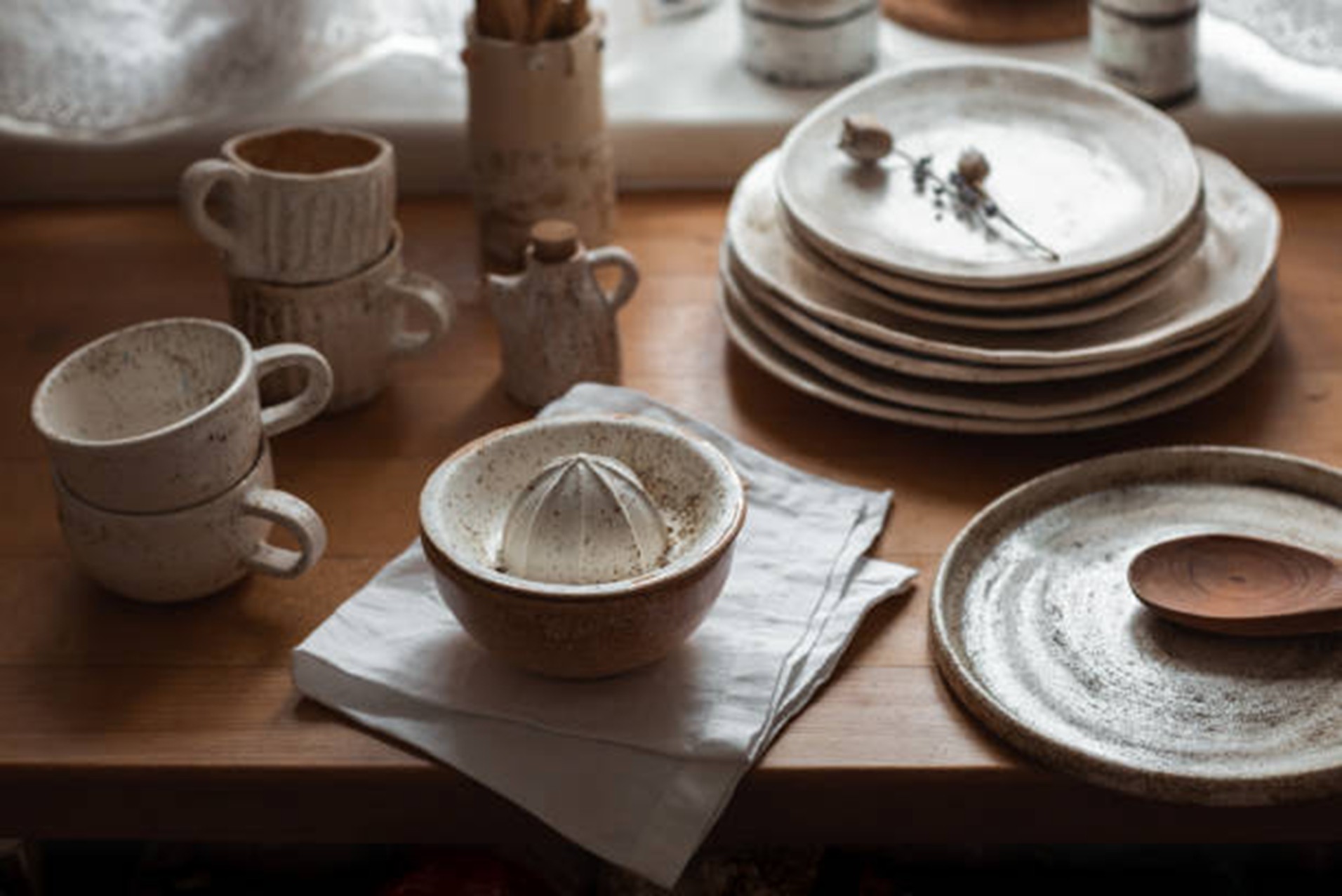
Are you looking for a table that feels warm, personal, and beautifully collected, rather than plain or overly matched? Handmade plates and bowls can turn everyday meals into something more thoughtful with their natural textures, soft colors, and one-of-a-kind details. A well-chosen dinnerware set helps you mix shapes, glazes, and patterns without making the table feel messy.
The beauty is in creating balance, where every piece looks unique but still belongs. From casual breakfasts to cozy family dinners, this guide will help you build a table style that feels inviting, practical, and full of character.
Key Takeaways
- Start with one clear table style before choosing pieces.
- Use one main color to keep mixed ceramics balanced.
- Choose plates and bowls based on real daily meals.
- Add mugs, vases, and serving pieces only when they support the table.
- Build slowly so the collection feels natural and useful.
Tips to Build a Mix and Match Dinnerware Set with Handmade Ceramic Plates and Bowls
1. Start With a Clear Table Style
Before buying plates and bowls, decide what mood you want your table to show. A mixed table can feel rustic, modern, soft, coastal, colorful, or earthy, but it needs one clear direction. A handmade dinnerware set should match your home, not just a trend.
Look at your dining room, shelves, linens, and daily meals. Soft whites and pale blues feel calm, while clay tones and olive shades feel warm. Hand-painted details can add charm when the rest of the table stays balanced.
2. Choose One Main Color
Color is the easiest way to make mixed ceramic pieces feel planned. You do not need every plate and bowl to match, but one base color should guide the whole look. White, cream, gray, blue, beige, and soft brown are easy starting points.
A cream dinnerware set can work with blue bowls, floral side plates, or a warm serving bowl. Keep accent colors limited to keep the table feeling relaxed. If plates are bold, choose quieter bowls. If bowls are colorful, keep plates simple.
3. Use Texture to Add Handmade Character
Texture gives handmade pottery its natural beauty. Slightly uneven rims, speckled glazes, soft brush marks, and visible clay edges can make a table feel warm and personal. The goal is balance, not clutter. Pair smooth plates with textured bowls, or use simple bowls with hand-painted side plates. A ceramic vase can add texture to the center of the table when it shares a similar glaze or clay tone. This helps the place settings and centerpiece feel connected without making the table look too busy.
4. Pick Plates First
Plates create the base of the table because they are the largest part of each setting. Start with dinner plates that are easy to use, store, and clean. A practical dinnerware set often begins with simple plates because they give you more freedom to add colorful bowls, mugs, and serving pieces.
Very large plates may look stylish, but they can make a small table feel crowded. After dinner plates, add smaller plates for salads, desserts, bread, snacks, or appetizers. These pieces are perfect for a gentle pattern or color.
5. Select Bowls Based on How You Eat
Bowls should fit your real meals, not just your design goals. If you eat soup, cereal, or stew often, choose medium-depth bowls that hold liquid well. If your meals include pasta, rice bowls, salads, or roasted vegetables, shallow wide bowls may be more useful.
A smart dinnerware set includes pieces that work for daily routines. For example, a family that eats pasta and soup during the week may choose dinner plates, shallow bowls, soup bowls, and one large serving bowl for shared meals.
6. Mix Patterns with Purpose
Patterns can make handmade ceramics memorable, but too many strong designs can overwhelm the table. Use patterned pieces as accents instead of making every piece bold. A floral side plate can sit beautifully on a plain dinner plate. A speckled bowl can soften a solid plate.
One hand-painted serving bowl can become the focal point of the table. This approach keeps your dinnerware set expressive but still polished. Give bold pieces room to stand out by surrounding them with calmer colors, simple shapes, and natural textures.
7. Add Mugs That Feel Connected
Mugs do not have to match every plate exactly. Ceramic mugs can make a table feel relaxed, useful, and personal, especially for breakfast, brunch, coffee, tea, or dessert. Look for one shared detail, such as glaze color, handle shape, clay tone, or surface texture.
Custom mugs can add meaning when they feature a special color, a personal detail, or a hand-shaped design. Keep the palette simple so the mugs feel connected to the plates and bowls instead of looking like separate pieces.
8. Use Serving Pieces to Pull Everything Together
Serving pieces help finish the table and connect mixed place settings. A handmade bowl, platter, pitcher, or tray can repeat colors from your plates and bowls. If your table is neutral, choose a more decorative serving piece.
If your pieces already have several colors, use a calmer serving bowl. A pottery vase can also support the table style with flowers, dried stems, or greenery. Keep arrangements low enough for easy conversation. The centerpiece should support the meal, not take attention away from it.
9. Think about Stack Ability and Storage
Handmade ceramics may vary slightly in shape, size, and thickness, so storage matters. Before adding more pieces, check cabinet height, shelf depth, and dishwasher space. Flat plates usually stack better than deeply curved plates, while bowls that nest smoothly save room.
A useful dinnerware set should look beautiful and fit your daily life. Large bowls, platters, and a ceramic vase may need separate storage. If your kitchen is small, choose versatile pieces first, such as shallow bowls and small plates.
10. Check Food Safety and Care Details
Handmade pottery used for meals should be safe for food. Decorative pieces are not always meant for serving, so check care details before using plates or bowls. Ask whether items are food-safe, dishwasher-safe, and microwave-safe. Some glazes, metallic finishes, or delicate details may need hand washing.
Ceramic mugs used daily should feel smooth at the rim and comfortable in the hand. Avoid sudden temperature changes unless the maker specifies that the piece is oven-safe, as rapid changes can damage ceramics.
11. Build Slowly Instead of Buying Everything at Once
You do not need a full table collection in one purchase. Handmade pottery often feels more meaningful when it is gathered slowly. Start with four dinner plates, four bowls, four smaller plates, and one serving piece. Use them for a while before adding more.
A thoughtful dinnerware set grows around your actual habits. You may discover you need more bowls, extra small plates, custom mugs, or a larger serving dish. Each new piece should add function, beauty, or balance to the table.
12. Sample Handmade Table Combinations
For a soft neutral table, use ivory dinner plates, speckled oatmeal bowls, pale gray side plates, and a cream serving bowl. For a blue-and-white table, pair white plates with blue bowls and hand-painted small plates.
For an earthy table, mix sand plates, terracotta bowls, olive side plates, and a warm platter. Add a pottery vase with simple flowers for height and warmth. A well-planned dinnerware set feels collected, practical, and personal without looking overly matched or random.
Conclusion
A handmade table should feel useful, beautiful, and personal. It does not need to follow strict matching rules to look polished. When you choose colors with care, mix textures thoughtfully, and select pieces that fit your meals, your table becomes more welcoming.
A dinnerware set made with handmade ceramic plates, bowls, mugs, and serving pieces can bring warmth to everyday breakfasts, quiet dinners, and special gatherings. Start with the pieces you will use most, then add accents over time. Let each item earn its place at the table.
Ready to create a table with heart and character? Shop handmade pottery today at Hart and Soul Pottery and bring home pieces made to be used, loved, and shared.
FAQs
How many handmade plates and bowls should I start with?
Start with enough pieces for your household, then add a few extras if you host. For many homes, four dinner plates, four small plates, and four bowls are a good beginning.
Can handmade ceramic plates and bowls be used every day?
Yes, many handmade ceramic pieces are made for everyday use. Always check the maker’s care instructions to confirm whether each item is food-safe, microwave-safe, or dishwasher-safe.
Do mixed plates and bowls have to be the same color?
No. They only need one shared detail, such as a similar glaze, clay tone, rim style, or color family. This keeps the table balanced while allowing variety.
What is the easiest way to style a handmade table for guests?
Use simple dinner plates, add more decorative, smaller plates or bowls, and place one handmade serving piece in the center. Napkins, flowers, and glassware can help tie everything together.
Are handmade mugs a good addition to a table setting?
Yes. Handmade mugs work well for breakfast, brunch, coffee, tea, and dessert service. Choose mugs that match the color or texture of the rest of the table.
Can I mix old dishes with new handmade pottery?
Yes. Choose handmade pieces that repeat something from your existing dishes, such as color, shape, or finish. This makes old and new pieces feel connected.
What should I avoid when mixing handmade tableware?
Avoid buying only statement pieces, ignoring storage space, mixing too many colors, or choosing bowls and plates that do not fit your daily meals.