
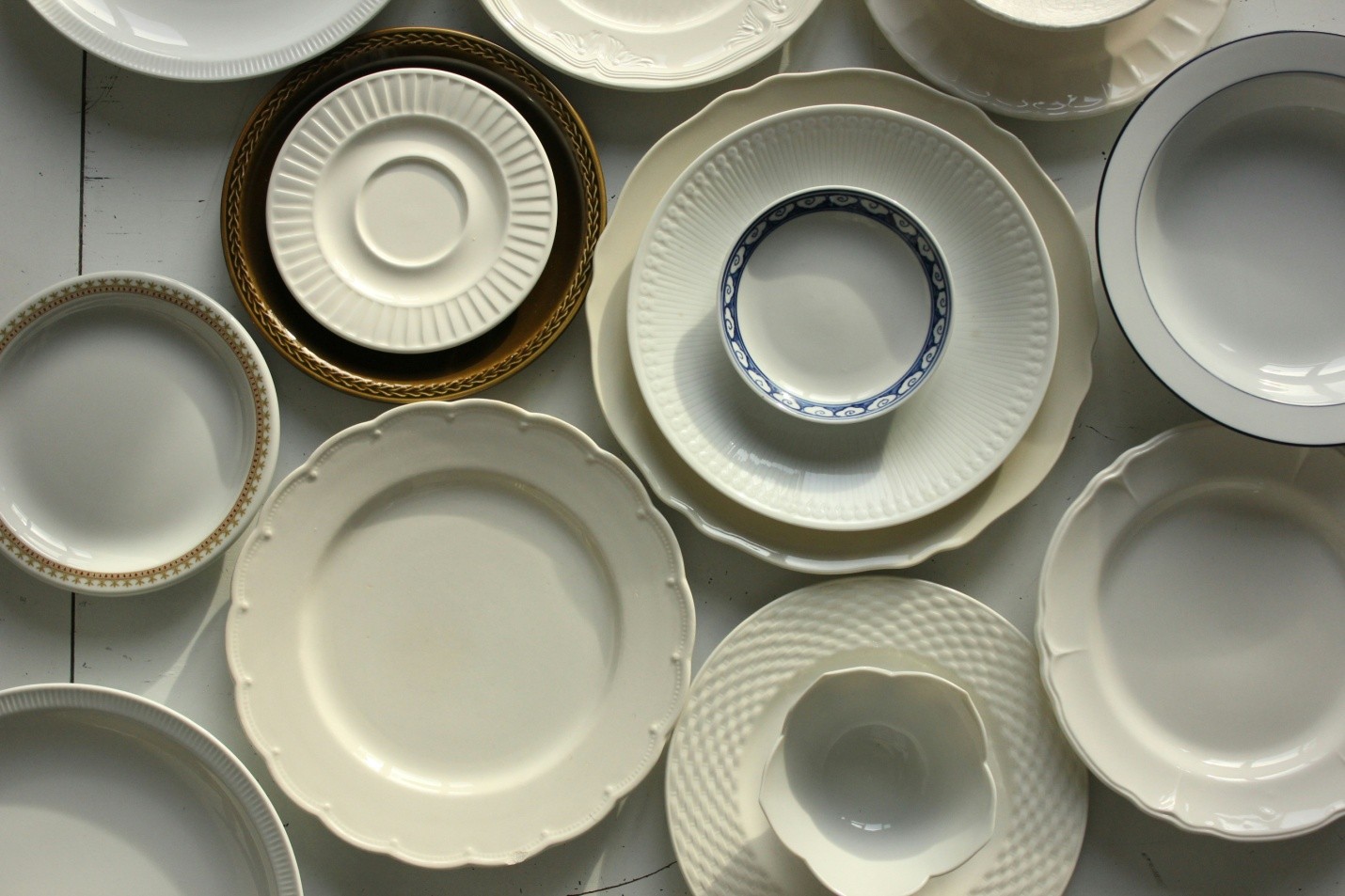
Ordering custom dinnerware is exciting because it gives you the chance to create pieces that feel personal, functional, and different from mass-produced collections. But before placing an order, many people realize they are unsure about how the process actually works. Questions about timelines, minimum quantities, approvals, customization, and production are very common, especially for first-time buyers.
Understanding what to expect before ordering can make the experience smoother and less stressful. It also helps you plan better, communicate clearly, and avoid delays that could affect important events, restaurant openings, gifting schedules, or home projects.
Key Takeaways
- Handmade custom dinnerware takes longer than factory-made products because each piece is crafted individually.
- Production timelines depend on order size, customization level, drying time, firing schedules, and studio workload.
- Minimum order quantities help pottery studios manage production efficiently.
- Approval stages are important because changes become difficult after production begins.
- Handmade pottery naturally includes slight variations in shape, glaze, and texture.
- Many customers order matching items such as ceramic plates, ceramic bowls, and pottery mugs as complete collections.
Why Handmade Custom Dinnerware Takes More Time
One of the biggest differences between handmade pottery and factory-made dinnerware is the production process itself.
Large manufacturers use automated systems that produce thousands of identical pieces quickly. Handmade pottery is different because every piece is handled by an artist throughout multiple stages.
When ordering custom dinnerware, customers should understand that the process includes:
- Designing and planning
- Clay preparation
- Wheel throwing or hand-building
- Drying time
- Trimming and refining
- First kiln firing
- Glazing
- Second firing
- Quality checks
- Packaging and shipping
Each stage takes time, especially drying and firing. Clay cannot be rushed without risking cracks, warping, or damage during firing. Temperature, humidity, glaze type, and kiln schedules all affect timing.
This slower process is actually part of what makes handmade pottery special. The slight variations in texture, shape, and finish are signs of craftsmanship rather than defects.
Understanding Production Timelines for Custom Dinnerware
Production timelines vary depending on the size and complexity of the order. Smaller orders with simple customization may move faster than large restaurant or wholesale collections.
Small Personal Orders
A smaller custom dinnerware order may include a few personalized pieces, such as:
- Family dinner sets
- Wedding gifts
- Personalized ceramic plates
- Matching pottery mugs
- Custom serving pieces
These orders usually move faster because fewer items need to be produced and glazed.
Large Restaurant or Hospitality Orders
Restaurant and hospitality orders usually require more planning because consistency matters across many pieces. Restaurants often order:
- Dinner plates
- Side plates
- Pasta bowls
- Ceramic bowls
- Espresso cups
- Pottery mugs
- Serving dishes
Larger collections take more time because pieces often need to match in glaze tone, size, and shape across the entire order.
Restaurants also tend to request durability testing, stackability considerations, and functional adjustments for kitchen use. This adds more communication and approval steps before production begins.
Seasonal Demand Can Affect Timelines
Many pottery studios receive increased order requests during wedding season and holidays. Ordering early is important if you need your custom dinnerware by a specific event date.
Studios may also pause custom work temporarily during periods of high production demand. Planning ahead gives both the customer and the pottery studio more flexibility.
What Minimum Order Quantities Mean
Many customers are surprised when a pottery studio mentions minimum order quantities. These minimums are not meant to make ordering difficult. They help balance production time, material costs, kiln space, and studio scheduling.
For example, creating one custom mug with a unique glaze may require almost the same setup time as producing several matching mugs. Small orders can become inefficient if the customization process is highly detailed.
At a professional ceramic shop, minimums help ensure the production process remains sustainable while maintaining quality.
Minimums may vary based on:
- Type of item
- Glaze customization
- Hand-painted details
- Custom stamps or logos
- Wholesale vs retail orders
- Packaging requirements
A customer ordering a complete dinnerware collection will often have different minimums than someone ordering one personalized item.
The Approval Process Matters More Than Most People Realize
Approvals are one of the most important parts of any custom dinnerware order. Before production starts, customers usually review important details such as:
- Shape and size
- Glaze color
- Finish style
- Logo placement
- Engraving details
- Text spelling
- Quantity counts
- Design samples
This stage matters because changes become much harder once pieces move into production.
For example, changing glaze colors after firing is not usually possible without remaking the piece entirely. That is why pottery studios often encourage customers to review mockups, sketches, glaze samples, or test pieces carefully before approving production.
Understanding Natural Variations in Handmade Pottery
Customers ordering handmade pottery should expect slight variations between pieces. This is normal in handmade ceramics and part of the charm of artisan work. Variations may include:
- Slight differences in glaze movement
- Minor shape variations
- Small texture differences
- Natural clay characteristics
- Slight tonal changes after firing
These details are what separate handmade pottery from mass-produced products. No two pieces are perfectly identical because each item is individually created and kiln-fired.
This is especially noticeable in collections that include ceramic plates, ceramic bowls, and pottery mugs together. The pieces are coordinated, but they still maintain the warmth and individuality of handmade work.
Factors That Can Delay Custom Dinnerware Orders
Even with careful planning, some factors can affect pottery production schedules.
Kiln Scheduling
Kilns can only hold a limited number of pieces at one time. Large orders may require multiple firings, which increases production time.
Drying Conditions
Clay must dry slowly and evenly before firing. Humidity and temperature changes can affect drying speed and increase the risk of cracking.
Glaze Testing
Custom glaze colors sometimes require testing before the final firing. Some colors also react differently depending on clay type and kiln temperature.
Shipping and Packaging
Handmade pottery requires careful packaging to reduce breakage risk during transit. Large orders may need additional preparation time for safe shipping.
Understanding these factors helps customers approach timelines more realistically.
How to Prepare for a Smooth Custom Dinnerware Order
There are several things customers can do to make the ordering process easier.
Start Early
Do not wait until the last minute for weddings, restaurant openings, holiday gifting, or business launches. Handmade pottery takes time.
Know Your Quantity Needs
Having a clear item count early helps the pottery studio estimate timelines more accurately.
Be Clear About Your Vision
Reference photos, color inspiration, branding details, or style preferences can help communicate expectations clearly.
Respond to Approval Requests Quickly
Delays in reviewing samples, confirming details, or approving mockups can slow the entire production process.
Understand Handmade Characteristics
Handmade pottery will never look factory-perfect. Small variations are expected and are often what customers value most.
Conclusion
Ordering handmade custom dinnerware is a thoughtful process that takes planning, patience, and clear communication. From timelines to approvals, knowing what to expect helps you feel more confident before placing an order.
With the right approach, your dinnerware can become more than something you use at the table. It can reflect your style, your space, and the way you want people to experience a meal.
Hart and Soul Pottery creates handmade pieces designed to feel personal, useful, and lasting. Explore our shop and connect with us to start your custom dinnerware order with confidence.
FAQs
Can I request a sample before placing a full custom dinnerware order?
Yes, many customers ask about samples before committing to a larger order. A sample can help you review the size, glaze, weight, and overall feel of the piece before moving forward. This is especially helpful for restaurants, event planners, or anyone ordering a full set.
What details should I prepare before contacting a ceramic shop?
Before reaching out to a ceramic shop, it helps to know the type of pieces you need, the approximate quantity, your preferred colors, your deadline, and how the dinnerware will be used. Clear details make it easier for the maker to guide you properly.
Can custom dinnerware be made to match my existing plates or bowls?
In many cases, a maker can create pieces inspired by your current ceramic plates or ceramic bowls, but an exact match may not always be possible. Handmade glazes, clay bodies, and firing results can vary, so the goal is usually a close, coordinated look rather than a perfect copy.
Is custom dinnerware a good option for restaurants?
Yes, custom dinnerware can be a strong choice for restaurants because it helps create a more memorable dining experience. Custom plates, bowls, and mugs can be designed around the restaurant’s food style, portions, plating needs, and overall atmosphere.