
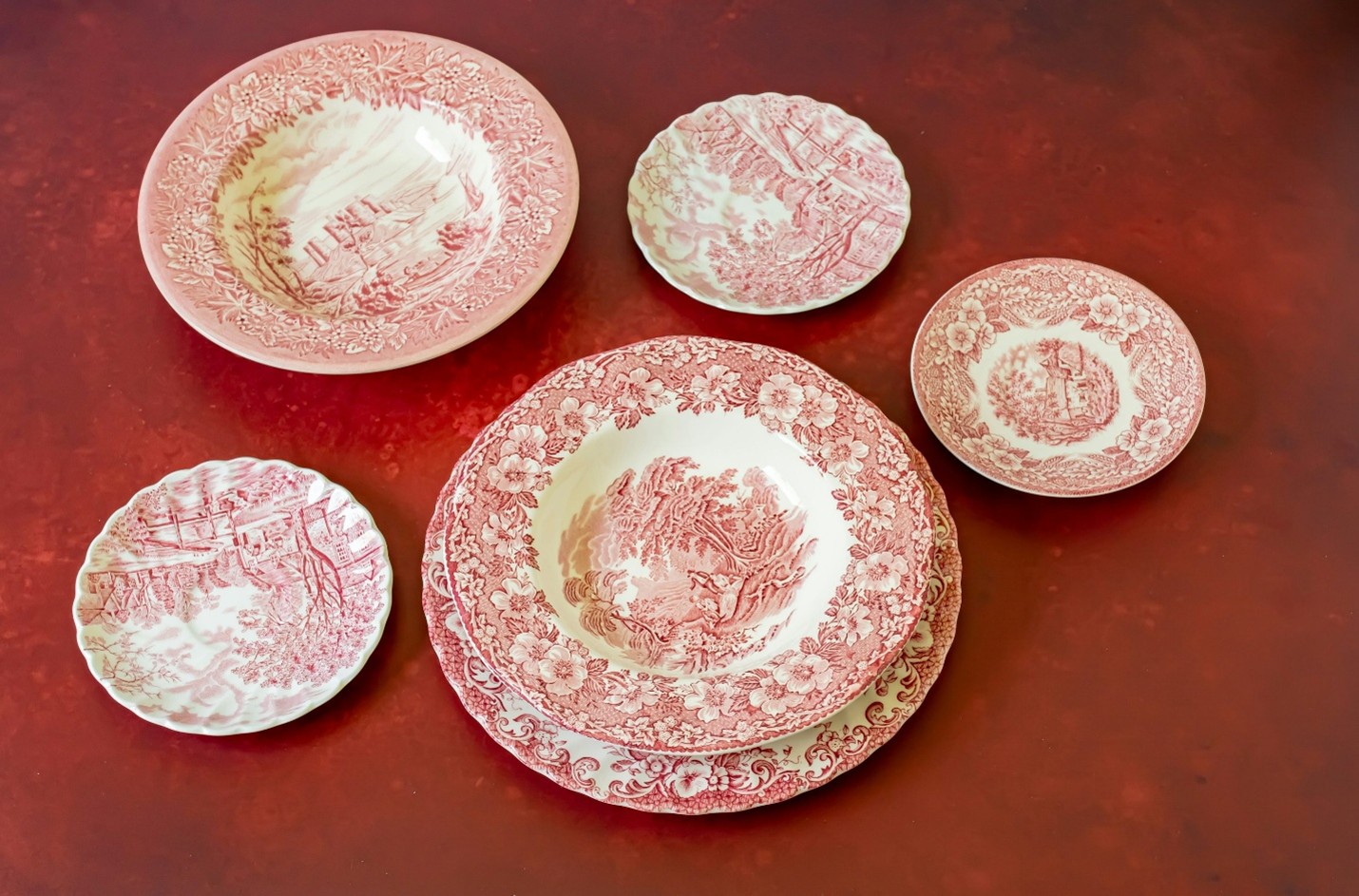
Everyday meals are rarely perfect or planned. Some days it’s a quiet breakfast, other days it’s dinner served in a rush. In those moments, plates are not decoration, they are tools we rely on without thinking.
That’s why ceramic plates for everyday meals need to handle real use, not just look good on a shelf. Therefore, durability and stackability should be the top priorities when looking for daily use pottery. This blog will help you understand what actually makes ceramic pottery strong enough for repeated use and designed in a way that makes storage simple, even in busy kitchens.
What Makes Ceramic Plates Durable?
Durability in ceramic crockery comes from decisions made long before a piece of pottery reaches the table. From the raw materials to the final firing, each step plays a role in how well a plate handles daily meals, washing, and stacking:
1. Clay Quality and Composition
Durability starts with the clay itself. Not all clay bodies behave the same way once they’re shaped and fired. For everyday ceramic plates, the goal is to achieve a dense, well-balanced clay that can withstand repeated handling without weakening over time.
We work with clay bodies chosen for their strength and stability. Dense clay has a tighter structure, which means fewer air pockets once it’s fired. This matters because air pockets can lead to cracks, chips, or breakage under regular use.
Here’s why clay composition makes such a difference:
- Dense clay absorbs less moisture after firing.
- Lower absorption helps prevent long-term weakening.
- A stable clay body holds its shape better during use.
By starting with the right clay, we set a solid foundation that supports everything that comes next.
2. High-Temperature Firing
Once a plate is shaped, firing is where durability is locked in. High-temperature kiln firing changes clay from a soft material into a hardened, long-lasting surface made for daily use.
At high temperatures, clay particles bond together tightly. This process reduces porosity and increases strength throughout the plate, not just on the surface. A well-fired plate feels solid in the hand because its structure is fully matured.
High-temperature firing contributes to durability by:
- Creating a stronger internal bond within the clay.
- Reducing the chance of moisture soaking into the plate.
- Helping plates withstand repeated heating and cooling.
This step ensures that ceramic plates are not only firm when new, but also dependable after years of use and washing.
3. Glaze Strength and Finish
Glaze does more than add color. It plays a protective role that directly affects how plates and bowls hold up during everyday use. A properly developed glaze creates a smooth, sealed surface that shields the clay underneath.
We focus on glazes that mature fully during firing. When glaze and clay are matched correctly, they expand and contract together in a harmonious manner. This balance prevents surface stress that can cause cracks or wear over time.
A strong glaze finish helps with:
- Protecting the plate from food stains.
- Making cleaning easier after daily meals.
- Reducing marks from regular utensil use.
The result is a plate that retains its finish even when subjected to real kitchen routines.
4. Handmade Doesn’t Mean Delicate
Handmade ceramic plates are often mistaken for fragile pieces meant only for display. In reality, handmade production allows for better control over function when done with daily use in mind.
We shape plates with consistent thickness and balance. This avoids weak spots that could cause stress during use. Handmade also allows us to adjust forms carefully, rather than relying on thin, uniform molds that prioritize speed over strength.
What makes handmade plates reliable for everyday meals:
- Controlled thickness for even strength.
- Balanced forms that sit flat on tables.
- Design choices made for handling, not decoration.
Handmade plates can be sturdy when they’re designed to be used, not just admired.
What Makes Plates Easy to Stack and Store
Stackability is not just about saving space; it’s also about maximizing efficiency. It affects how plates wear over time, how easily they are stored, and how often they get damaged during daily use. These considerations often extend to stacking ceramic bowls alongside plates in shared cabinet space.
1. Thoughtful Shape and Rim Design
The way a plate is shaped determines how well it stacks. Small design choices can make the difference between a stable stack and plates that slide or lean in cabinets.
We pay close attention to the base and rim. Flat bases allow plates to sit evenly on top of each other. Consistent rims help plates align instead of shifting when stacked.
Well-designed shapes help with:
- Creating stable stacks that don’t tip.
- Reducing pressure on edges.
- Making cabinets easier to organize.
A plate that stacks cleanly is less likely to chip during everyday storage and handling.
2. Weight and Thickness Balance
Stackability also depends on how the weight is distributed across the plate. Plates that are too heavy strain shelves and hands. Plates that are too thin may feel light but risk damage, similar to larger items like serving trays, if not properly balanced.
We aim for a balance where plates feel solid without being bulky. Even thickness helps distribute weight evenly, which matters when multiple plates are stacked together.
Balanced weight supports:
- Comfortable handling during meals and cleanup.
- Safer stacking without excess pressure.
- Long-term use without structural stress.
This balance makes plates practical for daily routines, not just occasional use.
3. Space-Saving for Modern Kitchens
Many kitchens today lack ample storage space. Stackable ceramic plates help make better use of limited cabinet space while keeping things organized.
When plates are designed to stack neatly, they enable taller stacks without compromising stability. This reduces clutter and makes dishes easier to reach.
Smart stacking benefits everyday kitchens by:
- Making better use of cabinet height.
- Keeping plates accessible during busy meals.
- Reducing accidental bumps and falls.
Stackable design supports daily efficiency without sacrificing durability.
Simple Care Habits That Help Ceramic Plates Last
Even well-made plates last longer with proper care and maintenance. Daily habits can protect the durability already built into each piece.
Simple care practices make a difference:
- Stack plates evenly, keeping rims aligned.
- Avoid sudden temperature changes.
- Allow plates space in the dishwasher.
These habits help maintain strength and appearance without extra effort. Proper care complements the plate’s design, not contradicts it.
Conclusion
Ceramic pottery made for everyday meals should feel reliable from the first use to the hundredth. Durability stems from thoughtful choices in clay, firing, and glaze, while stackability relies on careful shaping and a balanced weight. When these elements work together, plates fit naturally into daily routines instead of demanding special treatment.
At Hart & Soul Pottery, we design ceramic plates with your needs in mind. If you’re looking for plates that withstand daily use and store easily without fuss, our handmade plates are designed to be used, stacked, and enjoyed every day.