
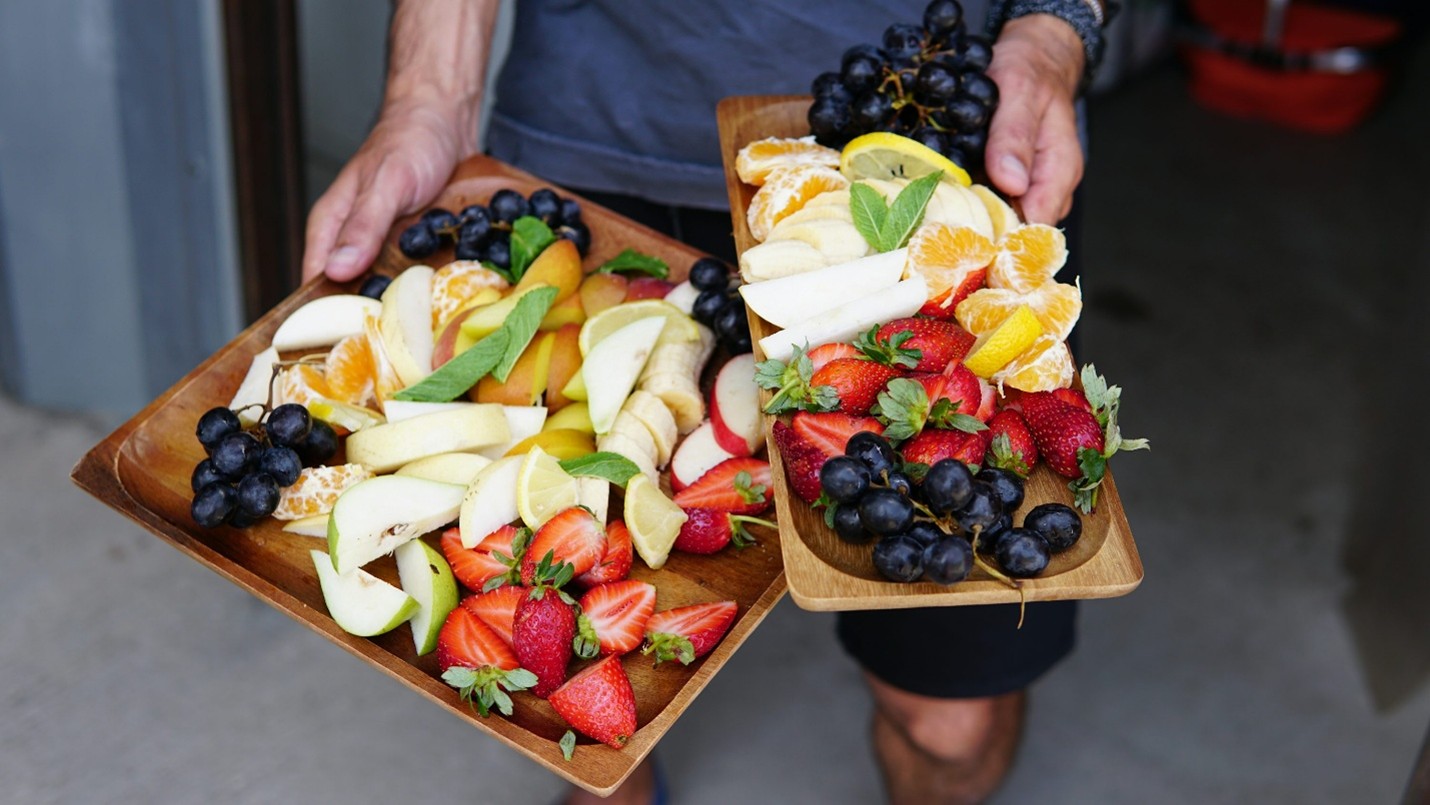
When you set up food for guests or even for a quiet morning at home, the serving trays you use quietly shape the whole experience.
We have seen how the same food can look messy on one tray and well-put-together on another. And that usually comes down to shape, not just style. That’s because a tray affects how food is arranged, how easy it is to serve, and how comfortable it feels to use. Let’s see how to choose a tray shape that actually works for desserts, coffee, and charcuterie.
Key Takeaways
- Choosing the right tray shape helps with both presentation and ease of serving.
- Round serving trays support shared setups, while rectangular trays help keep different items organized.
- Square trays are a good fit for smaller, balanced arrangements like coffee and light desserts.
- Size, edge design, and weight play a role in how practical a tray feels during use.
- The best tray is one that fits your daily habits, not just occasional hosting needs.
Choosing Serving Trays Based on What You Serve
Best Trays for Charcuterie and Shared Platters
Charcuterie boards need space and flow. People reach in from different angles, so the layout should feel open and easy.
Serving trays that work best for this setup:
- Round trays that allow items to spread naturally without sharp corners interrupting the layout.
- Large rectangular trays, which help when you want to include more variety, like cheeses, fruits, and crackers.
Pro-Tip: Leaving a little open spacing keeps the arrangement from looking crowded.
We usually recommend keeping small bowls for dips or spreads so everything stays in place. A tray that allows movement without clutter makes sharing much easier.
Ideal Serving Trays for Desserts and Sweets
Desserts benefit from structure. Whether it is slices of cake or small pastries, clean alignment makes them look more appealing.
For this type of serving:
- Rectangular trays help line up items neatly, especially for uniform pieces.
- Square trays give a centered and balanced look for smaller dessert sets.
We have found that desserts look best when they are not packed too closely. A tray shape that supports straight placement makes a big difference here.
Trays To Use for Coffee Serving and Everyday Use
Coffee setups are usually simple, but they need stability. You are often carrying hot drinks, so balance matters more than display.
For daily use:
- Smaller round trays are easy to carry and feel comfortable in the hand.
- Square trays provide a stable base for pottery mugs and small plates.
- Slight raised edges help prevent items from sliding.
We always suggest choosing something that feels light enough for regular use. A tray that is too heavy can quickly become inconvenient for everyday routines.
How to Arrange Items on Serving Trays for Different Uses
Once you have the right tray, how you place things can make serving feel smoother and more put-together:
- Charcuterie: Start with cheeses (like brie or cheddar) as anchors, then add meats, fruits, and crackers around them in small sections.
- Desserts: Group similar items like cupcakes or slices together, and keep a little space between each for a clean look.
- Coffee: Place mugs at the back, with sugar, spoons, or small snacks in front so everything is easy to grab.
Keeping items grouped and easy to reach makes serving feel natural.
Why the Ceramic Serving Tray Matters
Shape may catch the eye first, but material is what decides whether a tray stays useful after months of real use. Since we work closely with ceramics, we have seen how much performance depends on what the tray is made from, not just how it looks on a shelf.
Reasons why ceramic trays stand out:
- They are durable, food-safe, and resistant to staining and lingering odors.
- They can hold hot mugs, warm dishes, chilled drinks, or desserts without the surface losing its finish.
- Their glazed surface wipes clean easily, which matters when serving snacks, sauces, coffee, or candles.
Other materials can still be attractive, but they often come with compromises. Wood may warp, absorb moisture, or hold onto oils over time. Lightweight trays can shift too easily when carrying several items at once. Some metals scratch quickly or show water spots, and lower-grade plastics can dull, stain, or feel less substantial with repeated use.
When a tray becomes part of everyday routines, whether for breakfast service, countertop styling, or hosting guests, the material needs to support both appearance and performance. Ceramic does that especially well because it offers reassuring weight, a smooth, easy-care finish, and long-term durability that holds up beautifully in daily life.
Common Serving Tray Mistakes and How to Avoid Them
We often see the same issues when people choose trays, and most of them are easy to fix with a bit of planning, especially when the tray is used along with items like cups or ceramic plates.
Here are some common mistakes:
- Picking a tray that is too small for the intended use.
- Overloading the tray makes it hard to carry.
- Ignoring edge height, which can lead to items sliding.
- Choosing heavy trays for daily use.
- Focusing only on looks without thinking about function.
A simple way to avoid these is to think about how the tray will be used in real situations. When the tray serves its purpose, these problems usually do not arise.
Conclusion
At the end of the day, serving trays should make things easier, not more complicated. The right shape helps you serve comfortably, keep things in place, and make your setup look put together without extra effort. Instead of trying to use one tray for everything, it makes more sense to choose based on how you actually use it most.
We design trays with everyday use in mind, so they feel practical from the moment you use them. Browse handmade trays in our online ceramic shop to find a piece that not only looks good but also works comfortably for how you serve at home.
FAQs
1. What tray shape works best for serving multiple items together?
Rectangular trays usually work best when serving different items at once. They give enough space to separate food and keep everything organized without mixing things up.
2. How do I choose the right serving trays for my home?
Start by thinking about what you serve most often and how many people you usually serve. Then choose a shape and size that supports that routine, rather than picking based only on appearance.
3. Are rectangular trays better for desserts?
Yes, rectangular trays are ideal for desserts because they allow you to arrange items in a clean and structured way. This works well for cakes, pastries, and evenly sized portions.
4. Are trays with raised edges more practical?
Yes, trays with slightly raised edges help keep items from sliding, especially when carrying drinks or multiple pieces at once.
5. What tray works best for breakfast setups?
Rectangular trays are usually better for breakfast. They can hold a plate, a cup, or a small ceramic bowl in a neat, stable way.
6. Is it better to choose serving trays with or without handles?
Handles are helpful when carrying heavier items or multiple pieces. For simple setups, a tray without handles can feel lighter and easier to store.